
Published December 30, 2020
3 Factors That Slow the Arizona Housing Market

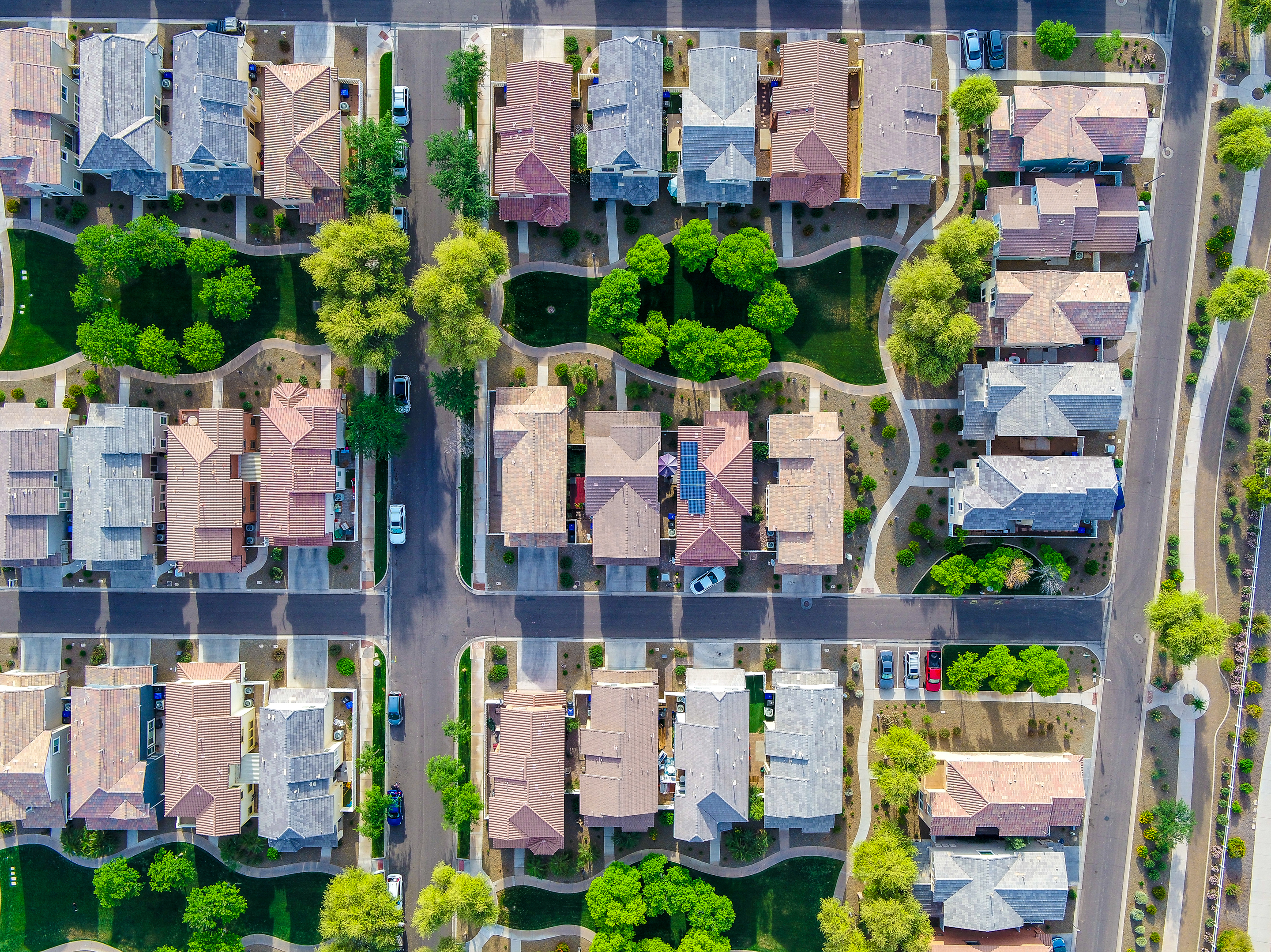
The US saw its single largest GDP decrease in history during the second quarter of 2020 to the tune of 32.9%. Fortunately, policymakers didn’t hesitate to take aggressive measures to support financial markets and create economic stability. The bright spot during the new COVID-19 pandemic has undoubtedly been the residential real estate market. In Arizona, we have been one of the top-performing markets nationwide with appreciation projected to be close to 14% in 2020.
So, what is it going to take to slow down the Arizona real estate market?
(1) The Great Migration needs to slow
(2) Housing inventory needs to normalize
(3) Interest rates need to increase
The Great Migration Needs to Slow
Month after month, headlines show businesses nationwide from a variety of sectors are investing millions of dollars in the Arizona economy. Whether it’s defense, technology, finance, or multi-family housing, Arizona has become a place of refuge for businesses seeking more business-friendly regulations and taxes than their home states. Lack of natural disaster and affordable cost of living, coupled with a strong talent pool, makes relocating an attractive option for many businesses.
“Southern California-based investor buys Portico Place I and II, a two-building office complex in Chandler, for $21.7 million.” PBJ – Dec 29th, 2020
“California Developer plans 1 million-square-foot Glendale industrial park, other Valley projects take shape” PBJ – Dec 30th, 2020
Commercial real estate giant CBRE has been tracking migration patterns extensively for more than a decade and estimates that roughly 25% of new Arizona residents are leaving California in 2020. Buyers from Seattle, Chicago, and Los Angeles are moving to Arizona in large numbers and they’re bringing their home equity with them! These out-of-state buyers are competing most commonly with “move-up” buyers in our market, while first time home buyers are battling investors seeking rental properties in the $200k-$300k price point. The Great Migration to Arizona is creating additional demand and exhausting available supply.
Inventory Needs to Increase
We all hear that available housing inventory is low, but just how low? As of December 30th, 2020 there were 3,800 active single-family homes for sale within a commutable distance to the Phoenix Metro area according to Arizona Multiple Listing Service (ARMLS). With roughly 5 million residents in the Phoenix Metro area, this is hardly enough supply to meet current demand. The longer this environment continues, the more home values will increase.
With the CARES act set to expire soon, some speculate a wave of foreclosures and bank-owned properties will flood the market ultimately driving home prices lower. This is not 2008 for several reasons, but here are a few of the important ones. Lending institutions have been far more diligent with qualifying mortgage applicants over the past decade. Homeowners today have significantly more equity in their homes than in 2008, with the National Association of Realtors (NAR) stating nearly 40% of Americans own their homes free and clear. Homeowners today facing financial hardship have a choice when it comes to an exit strategy unlike in 2008. Sell traditionally and realize the appreciation, work with a lender to refinance the home or negotiate a modified repayment plan. Sellers can also move out of the home and rent it for positive cash flow.
To put it into perspective, if 26,200 homes hit the market tomorrow in Phoenix, we would be in a normal balanced market. Foreclosures will not create so much as a speed bump for our market in 2021.
Interest rates need to increase
Low mortgage rates have further fanned the flames of our real estate market. Buyers are becoming increasingly frustrated missing out on homes in multiple offer situations. This experience is causing some to bid $50k+ over asking just to secure a home. With interest rates hovering between 2.5-3%, an extra $50k only increases the mortgage payment by about $200/month on a $400,000 home. A meaningful increase in interest rates will taper demand and relieve pressure on inventory.
The above-mentioned factors are not likely to occur in 2021. Joe Davis, Global Chief Economist with Vanguard, projects GDP growth of 5% for 2021. New stimulus checks are in the mail and pharmaceutical companies are working feverishly with logistics companies and policymakers on a full-court press to distribute COVID-19 vaccinations. For these reasons, we expect the residential real estate market to remain resilient in 2021.
Want to learn more about how Sloat Group can help guide you through today's market? Contact us to set up a consultation - we'd love to chat!

Mark Sloat, CFP®
Real Estate Advisor | Sloat Group | The Agency
or another way