
Published February 7, 2022
2022 Phoenix Real Estate Outlook: What to Expect

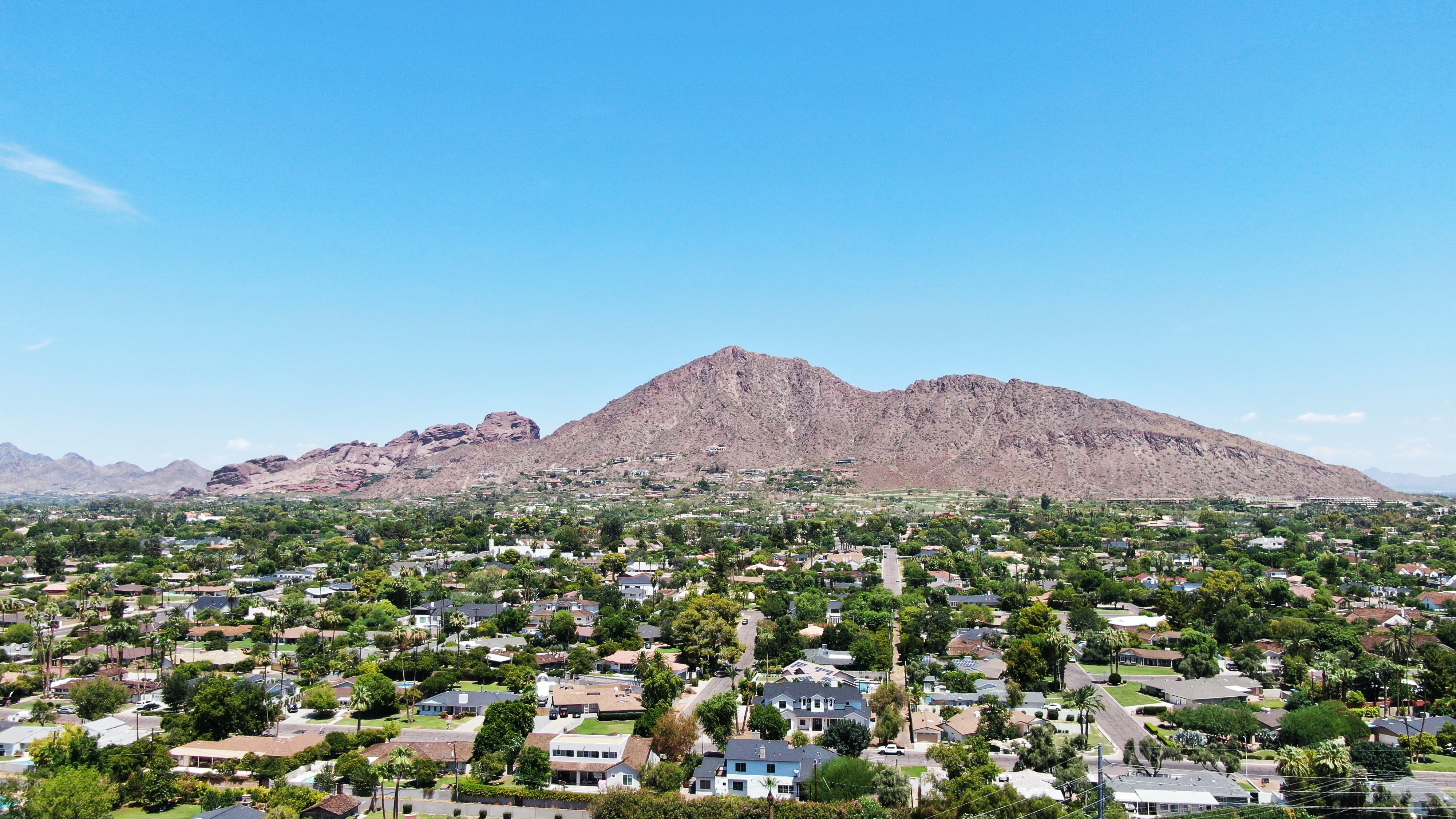
If you’re a homeowner or real estate investor in the Phoenix metro area, you likely just saw an astonishing 30% increase in your property’s value in 2021. The Phoenix metro area is experiencing another critical housing shortage in 2022 with only 4,550 single family homes for sale on our local Multiple Listing Service (MLS). This shortage is driving prices higher and stems in part from the 2008 housing crash and the COVID 19 pandemic. Between 2008 & 2012, very few homebuilders were moving dirt, despite our above normal population growth. For this reason, apartment complexes seem to be popping up almost overnight and home builders are developing as fast as they can, rapidly reshaping our communities. So what’s in store for 2022? We except to see another 20-25% increase in home values in 2022 and this is why:
Inventory Will Remain Low
The housing supply problem will not be solved in 2022. Out of state buyers continue to seek our “affordable” cost of living and high quality of life Phoenix has to offer. Most real estate agents would quote 20,000 homes for sale as a healthy inventory level, but I would argue this number is outdated and should be closer to 30,000 homes. Phoenix Business Journal continues to announce weekly the new companies relocating to Arizona which contributes to our higher-than-average population growth. 20,000 homes may have been healthy in 2010 when our population was around 3.7M, but with 5M people now calling The Valley of the Sun home, 30,000 homes should be the new standard. First-time and move up buyers will continue to compete head-to-head with cash buyers and Real Estate Investment Trusts (REITS) driving homes prices higher by 20% to 25% in 2022.
Interest Rates Will Rise
In November 2021, the consumer price index (CPI) climbed 6.8% compared to November 2020, a pace we haven’t seen since the early 80’s. And because of this, we will see the cost to borrow money rise across the board in 2022 and into 2023. Rising rates overall may dampen enthusiasm and result in reduced purchasing power for many buyers. For example, if a buyer is capping their monthly mortgage payment at $2,500/mo. and putting 5% down, their budget is approximately $580,000 with an interest rate of 3.5%. If interest rates rise to 4.5%, the buyer’s new budget is $518,000. Rising rates will likely put even more stress on the middle part of our market.
The FED is closely watching national wage statistics relative to the CPI. If inflation pulls too far ahead of expected wage increases, the FED will be more aggressive raising rates to curb inflation and cool an overheating economy.
Wall Street Money Will Continue to Flood Main Street Chris Drayer’s (Revaluate) article “iBuyers Are Eating the Real Estate World” points out that in the third quarter of 2021, iBuyers accounted for 18% of all housing transitions nationwide. Well-funded publicly traded companies like Opendoor Technologies (OPEN) and Offerpad Solutions (OPAD) are positioning themselves to profit from the recent real estate boom by way of astroflipping. Think of those HGTV Fix and Flip shows, but on a massive scale. These companies purchase homes direct from sellers, make minor cosmetic improvements, and then immediately re-list the home for sale with the goal of earning a profit. This model can be extremely successful in a rapidly rising market because of easy equity. In other words, homeowners are more willing to part with as much as $50,000 or more in a hot market for the convenience factor. In many instances, homeowners are unaware of what their home would fetch on the open market if sold the “traditional” way.
Real Estate Investment Trusts (REIT’s) and Pension Funds continue to aggressively buy homes in the Sun Belt states (Arizona, Florida, Texas, etc) that meet their computer algorithms to generate income returns for their investors. Companies like Progress Residential are aggressively buying homes to turn into permanent rental properties. Overtime, this will further strain available housing supply because once a home is sold into an investment portfolio, it becomes an asset that is traded between institutions, not the general public.
Don’t Expect A Crash Landing
According to National Association of Realtors (NAR), roughly 40% of Americans own their homes outright. This statistic, along with tighter mortgage lender standards, and strong appreciation over the past 3 years, it’s unlikely we’re going to see a dramatic swing in supply leading to a crash in the housing market. It's certain that the pace of appreciation is unsustainable, but anyone who purchased a home in the past 24 months certainly won’t be abandoning their home and turning in the keys to the bank like we saw in 2008/2009. To do this would be to leave potentially hundreds of thousands of dollars of equity on the table.
In Summary Because the real estate market is slow to react, unlike your crypto currency, we can predict with a certain degree of confidence how it will behave over the next 12-18 months, but beyond that, it’s difficult to read. Trying to time the real estate market can be a futile effort and we believe buying or selling real estate depends entirely upon your personal goals and circumstances. We provide this 2022 outlook as a best guess based on what we’re seeing in the field today.